Two Standards, Two Markets — Getting the Wrong One Means Customs Rejection
ASTM D4236 for pencils is a US art-material labeling review, while EN71-3 is the EU children's-product migration standard. They answer different procurement questions. If your RFQ treats them as interchangeable, the shipment can pass one market and fail another.
EN71-3: The EU Standard for Toy Safety
EN71-3 is part of the European Toy Safety Directive (2009/48/EC) and regulates the migration of 19 specific elements (heavy metals) from toy materials. For pencils marketed to children under 14 in the EU, EN71-3 testing is mandatory.
Key characteristics of EN71-3:
- Test method: Simulates a child sucking or chewing on the material. The test measures how much of each element migrates from the material into a simulated gastric acid solution over a fixed time period.
- Three material categories: Category I (dry/brittle/powder), Category II (liquid/sticky), Category III (scraped-off material). Pencil barrel coatings fall under Category III — the test scrapes off lacquer and tests migration from the scrapings.
- 19 regulated elements: Including lead (Pb), cadmium (Cd), chromium (Cr), mercury (Hg), antimony (Sb), arsenic (As), barium (Ba), selenium (Se), and others. Each element has specific migration limits per category.
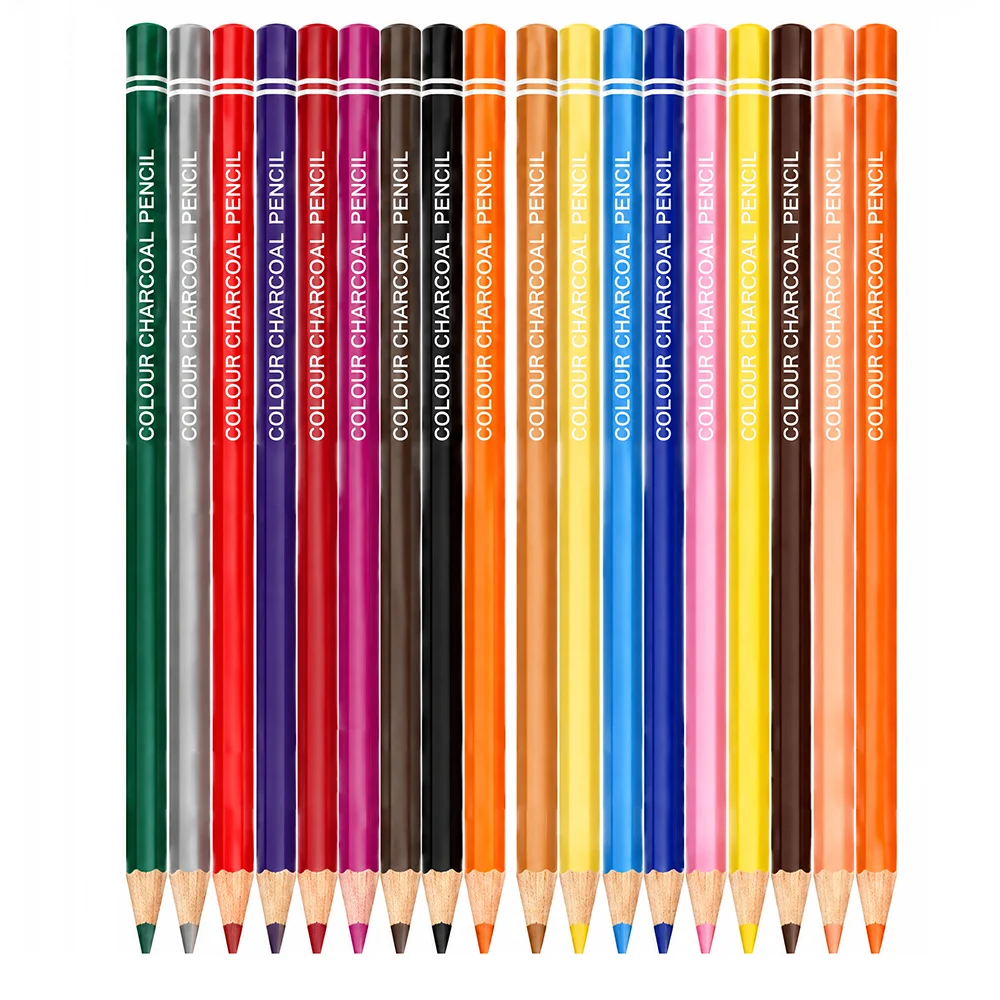
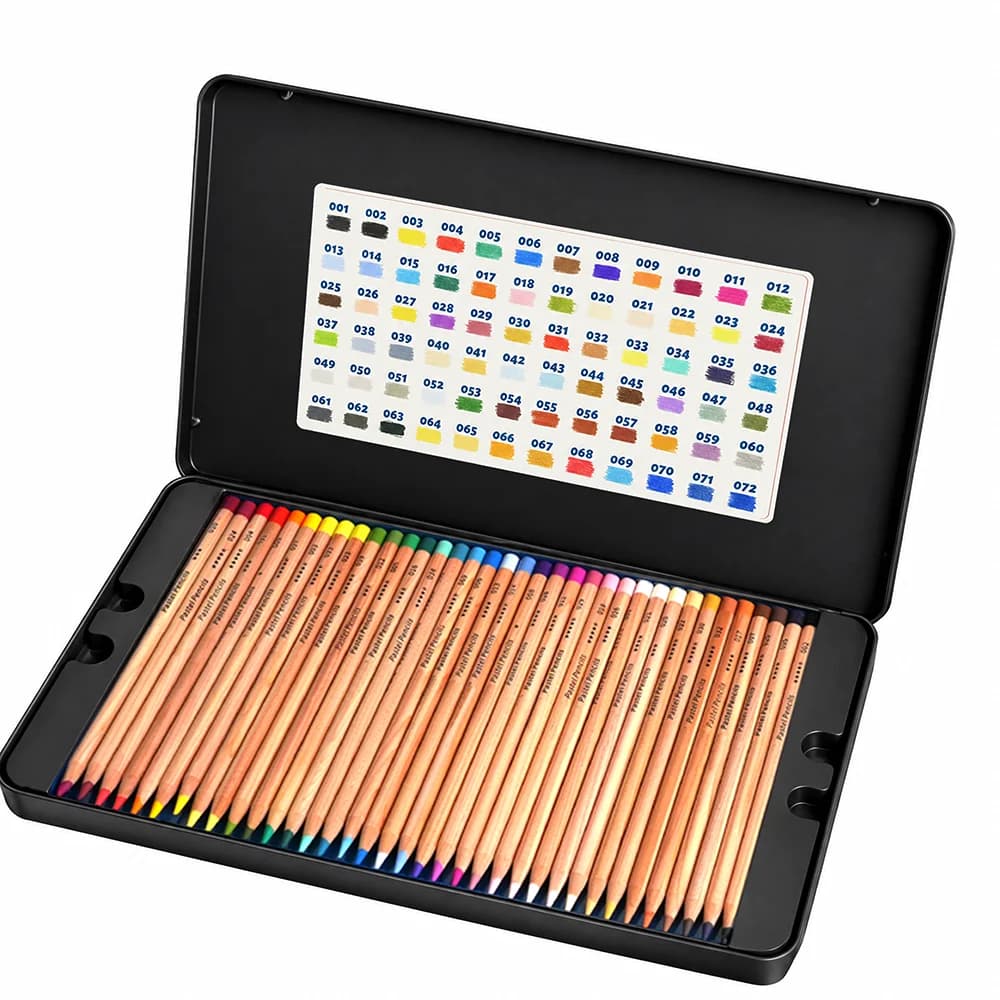
- Per-SKU testing: Each product with different colors or materials requires separate testing. A 24-color pencil set may require 24 individual tests — one per color — because different pigments contain different metal compounds.
ASTM D4236: The US Standard for Art Materials
ASTM D4236 is the US standard for labeling art materials, including pencils. Unlike EN71-3, which is a performance standard (measuring actual element migration), ASTM D4236 is primarily a labeling standard — it requires art materials to be evaluated by a toxicologist and labeled with appropriate health warnings if chronic health hazards are identified.
Side-by-Side Comparison
The differences matter for procurement decisions:
- Scope: EN71-3 tests what migrates out of the material (bioavailability). CPSIA/ASTM tests total content. A pencil can pass EN71-3 but fail CPSIA total lead limits, or vice versa.
- Testing cost: EN71-3 per-SKU testing for a 24-color set runs $2,000-4,000. ASTM D4236 toxicological evaluation is typically $500-1,500 per product line.
- Renewal: EN71-3 reports should be refreshed annually or when formulation changes. ASTM D4236 evaluation is valid as long as the formulation remains unchanged.
- Enforcement: EU market surveillance authorities can pull products from shelves. In the US, the CPSC enforces CPSIA, while ASTM D4236 is self-certified.
What This Means for Dual-Market Importers
If you sell pencils in both the EU and US markets, you need both certifications — they are not interchangeable. Your Chinese pencil supplier should be able to provide EN71-3 test reports for EU orders and ASTM D4236 conformity statements (plus CPSIA test reports if targeting children) for US orders. A supplier who only offers one standard is either unfamiliar with the other market or has not invested in dual compliance.
When evaluating a new supplier, ask specifically: "Can you provide EN71-3 per-SKU migration reports AND ASTM D4236/CPSIA test reports?" If the answer is vague or they offer a single blanket certificate, that is a red flag for procurement teams managing multi-market product lines.
Compliance Document Checklist for Your RFQ
Ask for documents by market and product version. A supplier cannot answer "all certificates" usefully unless you define the exact SKU, color count, age grade, and destination market.
- EU children's pencils: EN71-3 migration report by SKU or pigment, REACH SVHC declaration, and importer Declaration of Conformity inputs.
- US children's pencils: CPSC-accepted lab report for CPSIA/F963 scope, CPC inputs, tracking label details, and ASTM D4236 labeling statement if sold as art materials.
- Dual-market programs: one document matrix showing which report covers EU, US, and packaging claims; do not rely on a one-page blanket certificate.
- Before deposit: check lab name, report date, tested sample description, model/SKU, color list, and whether the report is within your buyer's validity window.
Key Evidence
Turn the Comparison into an RFQ Decision
Do not ask a supplier for "all certificates" and leave the scope open. Convert the market decision into fields your buyer, factory, and laboratory can all read the same way. The pencil buyers guide is useful for the broader supplier brief; this page narrows the compliance section to the evidence needed for each destination.
- Set the market and age grade first. State EU or US destination, whether the product is marketed to children, and whether it is sold as a writing or art material. This determines whether the RFQ needs EN71-3, ASTM D4236, CPSIA evidence, or a defined combination.
- List the exact product scope. Include SKU, color count, pigment or binder differences, barrel coating, packaging, and any age or safety claim. Ask the supplier to map each report to that scope instead of sending a blanket certificate.
- Separate current evidence from future testing. Record the laboratory, report date, tested sample description, and missing items. If a formulation, pigment supplier, or packaging claim changes, mark the affected report for review before production.
- Make the handoff executable. Put the final evidence matrix into the OEM RFQ and request the physical samples through the sample request page. The sample, SKU list, and report scope should describe the same product version.
Need a Supplier Who Covers Both Standards?
We provide EN71-3 per-SKU migration reports for EU orders and ASTM D4236 conformity documentation for US orders. All testing is conducted by accredited third-party laboratories (SGS, BV, Intertek). Use our certification document hub to compare factory-level certificates with product-level test reports, then send the exact SKU, color count, age grade, and destination market through our private label pencil manufacturer workflow.
Request a sample pack with compliance documents, or include ASTM D4236, EN71-3, REACH, CPSIA, and packaging-label requirements in your custom pencil OEM specification. We will confirm which reports already exist and which tests must be renewed before production.
External reference check: For US labelling, compare supplier claims against ASTM D4236; for EU chemical restrictions, cross-check finished products against EU REACH Annex XVII.
Final Thoughts
Decide the destination market before you ask for certificates. Start with the certification document hub, then request a sample pack with compliance documents or send your SKU list through the private label pencil manufacturer page so we can confirm the right EN71, REACH, ASTM, and CPSIA evidence.